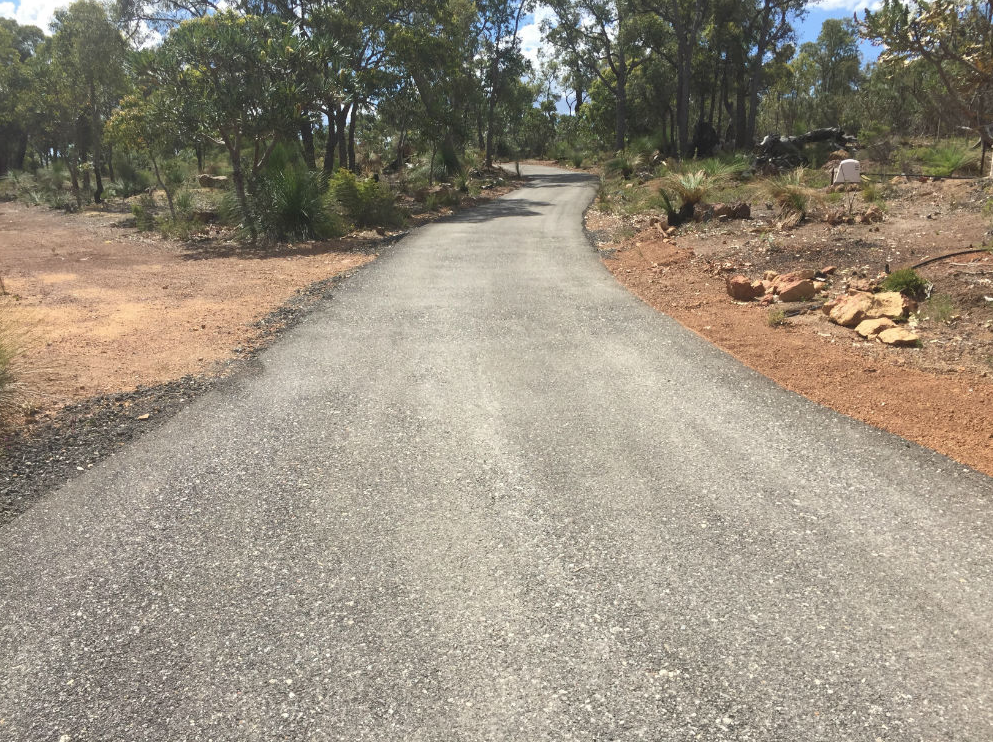
An asphalt surface can remain functional while still showing clear signs of age. Driveways, access roads, car parks and hardstands may gradually become faded, rough, cracked or uneven after years of traffic and exposure to the elements. These changes should not automatically be viewed as cosmetic. They can be early indicators that the pavement needs attention before deterioration becomes more extensive.
Professional asphalt work can restore a tired surface in several ways, from targeted repairs through to resurfacing where the existing pavement remains suitable. At Hurstbridge Road Tech, we provide professional asphalt and bitumen surfacing services throughout Hurstbridge, VIC, with solutions based on the actual condition and intended use of each pavement.
What Does a Tired Asphalt Surface Look Like?
Asphalt does not usually deteriorate overnight. Changes tend to develop gradually, making it important to recognise the early warning signs.
A tired surface may show:
- Fading or greying
- Fine or spreading cracks
- Loose aggregate
- Rough sections
- Small potholes
- Depressions or uneven areas
- Deteriorating edges
- Numerous older patches
- Water collecting in low spots
Some of these defects can remain localised, while others may indicate that deterioration is affecting a much larger section of the pavement.
Professional Assessment Identifies What the Surface Actually Needs
Improving an ageing pavement starts with determining why it has deteriorated.
Simply placing new material over a damaged area does not necessarily address problems beneath it. Cracking, potholes and depressions can sometimes be symptoms of drainage issues, inadequate support or movement within the pavement structure.
A professional assessment considers factors such as:
- The extent of surface wear
- The pattern of cracking
- Existing repairs
- Drainage performance
- Pavement levels
- Condition of the underlying structure
- How the surface is used
Understanding these factors helps determine whether localised repairs, resurfacing or more extensive preparation is appropriate.
Localised Repairs Can Restore Isolated Damage
If most of the asphalt remains in sound condition, targeted repairs may be enough to restore damaged areas.
For example, an isolated pothole or deteriorated section can often be repaired without treating the entire pavement. The damaged material should be properly prepared so that the repaired section integrates effectively with the surrounding surface.
Localised repairs can be particularly useful when deterioration is identified early.
However, when defects are appearing throughout the pavement, repeatedly patching individual areas may no longer provide the most practical long-term approach.
Asphalt Resurfacing Can Renew Widespread Wear
Resurfacing can be an effective solution when the existing asphalt has become generally worn but the supporting pavement remains structurally suitable.
Rather than treating individual defects separately, resurfacing renews a broader area with a new asphalt wearing surface.
This can improve:
- Surface consistency
- Driving comfort
- Vehicle access
- Pavement texture
- Overall presentation
Existing damage must still be appropriately prepared before resurfacing so that unresolved weaknesses do not compromise the new surface.
A Smoother Surface Improves Everyday Access
A tired pavement can gradually become less comfortable to use.
Patches, cracks, depressions and rough sections create inconsistent conditions for vehicles travelling across the surface. Professional asphalt work can restore a smoother profile, making everyday access more predictable and comfortable.
This is particularly valuable for areas experiencing frequent vehicle movements, including driveways, car parks and commercial access areas.
Correcting Potholes Before They Spread
Potholes are rarely isolated surface defects without an underlying cause.
They commonly develop after moisture enters the pavement through cracks or damaged areas. If the supporting material beneath the asphalt weakens, repeated vehicle movements can cause the surface to break apart.
Professional pothole repairs should therefore consider:
- The condition beneath the damaged asphalt
- Surrounding pavement stability
- Water infiltration
- Drainage
- The extent of deterioration
Addressing these factors can help prevent the repaired section from quickly failing again.
Improving Drainage Can Protect the Renewed Surface
Water management is essential when restoring ageing asphalt.
If an existing pavement regularly holds water, simply resurfacing it without considering why the pooling occurs can leave an important cause of deterioration unresolved.
Professional asphalt work may involve assessing surface levels and grading so rainfall can move away more effectively.
Good drainage helps protect both the asphalt and the supporting pavement layers from unnecessary moisture exposure.
Damaged Edges Should Not Be Ignored
Pavement edges are often among the first areas to show deterioration.
When edges lack sufficient support or are repeatedly driven over, they may begin cracking and crumbling. Once deterioration starts, it can gradually progress further into the pavement.
Professional repairs can address vulnerable sections before edge damage affects a larger area.
Maintaining strong, well-supported pavement edges is an important part of preserving the overall surface.
Professional Preparation Makes a Major Difference
The performance of new asphalt depends heavily on what is underneath it.
Before resurfacing or substantial repairs, the existing pavement needs to be properly prepared. Weak sections should not simply be hidden beneath a fresh layer.
Depending on the condition of the site, preparation can involve:
- Removing failed material
- Repairing damaged sections
- Correcting unsuitable levels
- Improving the pavement base
- Addressing drainage concerns
- Preparing a stable surface for new asphalt
This groundwork is one of the key differences between temporarily covering deterioration and properly restoring pavement performance.
A Renewed Surface Improves Property Presentation
Asphalt often forms a large and highly visible part of a property.
A faded, heavily patched or deteriorated driveway, car park or access road can affect the appearance of the surrounding site. Renewing the asphalt creates a cleaner, more consistent finish while also improving functionality.
For residential properties, this can create a better-presented entrance. For commercial sites, well-maintained pavement can provide a more organised environment for staff, customers and visitors.
When Is a Tired Surface Beyond Simple Resurfacing?
Not every ageing pavement is suitable for resurfacing.
If deterioration extends deeply into the foundation, more extensive work may be necessary before a new asphalt surface can be installed.
Signs of possible structural problems include:
- Significant settlement
- Deep rutting
- Severe deformation
- Extensive interconnected cracking
- Recurring potholes
- Repairs repeatedly failing
- Large sections moving under traffic
In these circumstances, the supporting pavement may need attention rather than simply applying another surface layer.
Acting Earlier Can Preserve More of the Existing Pavement
There is considerable value in assessing asphalt before deterioration becomes severe.
When defects remain primarily within the surface and the pavement foundation is still stable, property owners generally have more options for restoring performance. Allowing water infiltration, cracking and potholes to continue unchecked can eventually affect deeper layers.
Regular inspections and timely maintenance therefore play an important role in extending the useful life of asphalt.
Why Professional Asphalt Work Matters
Effective asphalt restoration is about much more than making an old surface look new again.
The objective should be to understand the condition of the pavement, address the causes of deterioration and select work that suits how the area is actually used.
At Hurstbridge Road Tech, we assess asphalt and bitumen surfaces throughout Hurstbridge, VIC with attention to surface condition, foundation stability, drainage and traffic demands. This allows us to provide practical surfacing solutions designed to improve both the immediate condition and ongoing performance of the pavement.
Conclusion
Professional asphalt work can significantly improve a tired surface by repairing damaged sections, restoring smoother vehicle access, correcting developing defects and renewing widespread surface wear through resurfacing where appropriate. The best results come from identifying why the pavement has deteriorated and completing the necessary preparation before applying new asphalt.
For property owners and businesses in Hurstbridge, VIC, Hurstbridge Road Tech provides professional asphalt and bitumen surfacing solutions tailored to the condition of each site. If your driveway, road, car park or hardstand is looking worn or becoming increasingly difficult to maintain, our experienced team can assess the surface and recommend an appropriate way to restore reliable, long-term performance.
Call us on: 03 9068 7895
Click here to find out more about Hurstbridge Road Tech
Click here to complete our contact form and see how we can help with your driveways.