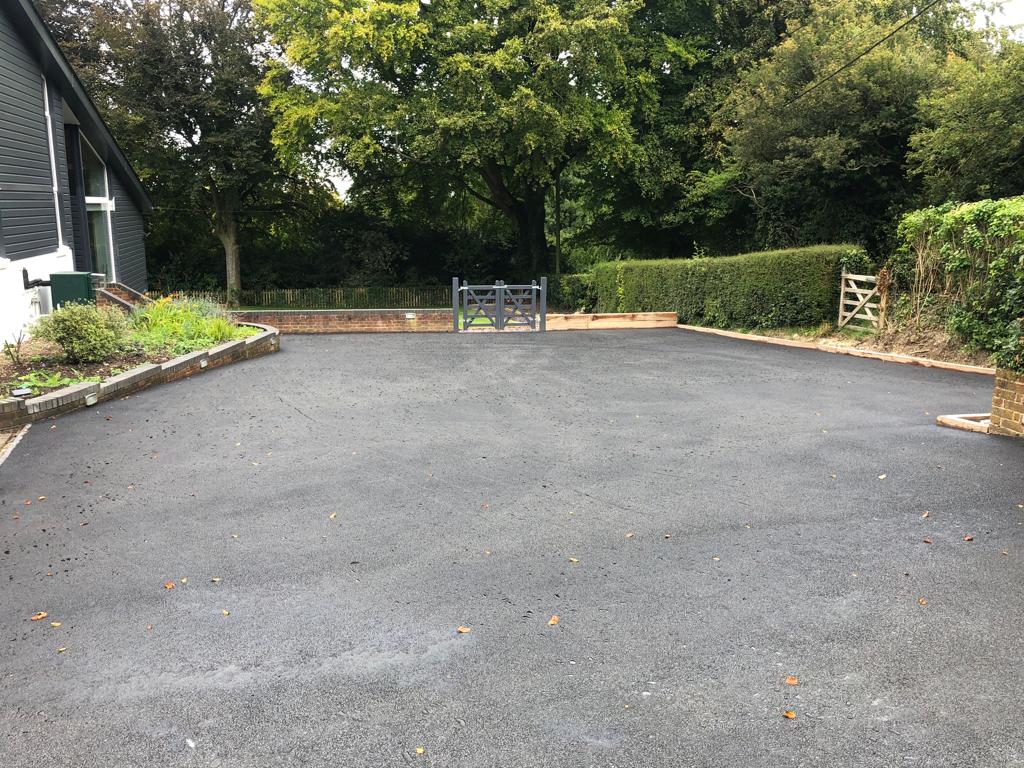
Potholes are a common problem on driveways, access roads and other paved surfaces. They can develop gradually or appear after periods of heavy rainfall and changing weather conditions. Beyond affecting the appearance of a surface, potholes can create uneven driving conditions, damage vehicles and allow water to penetrate deeper into the pavement.
For property owners in Hurstbridge, VIC, understanding what causes potholes is an important step towards maintaining a durable, well-presented driveway or paved area. With suitable installation, effective drainage and timely maintenance, many pothole problems can be reduced before they become more extensive.
Hurstbridge Road Tech provides driveway and surfacing solutions designed to help property owners maintain practical, long-lasting outdoor surfaces.
What Causes Potholes?
Potholes usually form when the surface and the layers beneath it weaken, allowing sections of the pavement to break apart under repeated pressure. Several factors can contribute to this process.
Water Penetration and Poor Drainage
Water is one of the main contributors to pothole formation. When rainwater collects on a driveway or seeps through small cracks, it can weaken the underlying materials. If the base becomes unstable, vehicles passing over the affected area place additional pressure on the weakened surface.
Poor drainage makes this problem worse because water remains on or beneath the pavement for longer. Over time, the combination of moisture and repeated vehicle movements can cause the surface to crack, loosen and eventually form a pothole.
Effective drainage is therefore essential when installing or repairing driveways in Hurstbridge, where seasonal rainfall can affect outdoor surfaces.
Heavy or Repeated Traffic
Driveways and access areas experience repeated pressure from cars, vans and other vehicles. If the pavement has not been designed or constructed to support the loads placed upon it, the surface may gradually deform or crack.
Repeated turning, braking and stationary vehicle loads can also place additional stress on particular sections. Once the surface begins to deteriorate, further traffic can accelerate the breakdown and enlarge existing potholes.
Selecting suitable surfacing materials and ensuring the underlying base is properly prepared can help reduce these risks.
Weak Foundations and Poor Installation
A durable driveway depends on more than its visible surface. The ground must be prepared appropriately, and the supporting layers need to provide a stable foundation.
If the base is poorly compacted, uneven or unsuitable for the ground conditions, movement may develop beneath the surface. This can lead to depressions, cracking and areas where the pavement eventually breaks apart.
Professional driveway installation focuses on ground preparation, suitable materials and proper compaction to help create a stable surface that can withstand everyday use.
Weather and Temperature Changes
Changes in weather can contribute to pavement deterioration. In asphalt surfaces, heat can soften the material, while cooler conditions can cause it to contract. Repeated changes may contribute to cracking, particularly where the pavement is already weakened.
Rainfall can then enter these cracks and affect the supporting layers. In combination with traffic and drainage problems, this can speed up the development of potholes.
Although weather cannot be controlled, suitable installation and routine maintenance can help a driveway withstand normal environmental stresses.
Delayed Repairs
Small cracks and shallow depressions may initially seem harmless. However, leaving them untreated allows water and debris to enter the damaged area, potentially weakening the surrounding pavement.
As vehicles continue to pass over the affected section, the damage may spread and develop into a larger pothole. Early assessment and appropriate repairs can help prevent a localised defect from affecting a wider area.
How Can Potholes Be Prevented?
Preventing potholes requires attention to both the driveway surface and the structure beneath it. The most effective approach combines good installation practices with regular inspections and timely maintenance.
Ensure Proper Drainage
Driveways should be designed to direct rainwater away from the surface and prevent it from pooling in low spots. Appropriate gradients and drainage arrangements help limit water penetration and reduce the risk of base deterioration.
If water regularly collects in the same area, the cause should be investigated rather than simply filling the depression. Correcting the drainage issue may be essential to preventing the problem from returning.
Maintain the Surface Regularly
Inspecting the driveway periodically can help identify early signs of deterioration, including fine cracks, loose material, shallow depressions and areas where water collects.
Addressing these issues promptly can reduce the opportunity for moisture to penetrate the pavement. Asphalt driveways may also benefit from suitable maintenance treatments, depending on their age, condition and surface requirements.
Use Suitable Materials and Proper Installation
A driveway’s durability depends on selecting materials appropriate for its intended use and ensuring that each layer is installed correctly.
Proper ground preparation, a stable base and suitable compaction help distribute vehicle loads and reduce the likelihood of premature movement. Professional installation also considers drainage and the characteristics of the site, rather than focusing solely on the finished surface.
Repair Small Defects Promptly
When cracks or potholes appear, the repair method should address the extent of the damage. A superficial patch may not last if the underlying base has failed or water continues to enter the pavement.
A professional assessment can help determine whether a localised repair is suitable or whether a larger section requires attention. Addressing the underlying cause is important for achieving a more durable result.
When Should You Seek Professional Driveway Repairs?
Professional advice is worthwhile when potholes continue to return, cracks are spreading, the surface is becoming uneven or water repeatedly collects in the same location.
Multiple defects may indicate a deeper problem with drainage, ground preparation or the supporting base. Identifying the cause helps ensure that repairs address more than the visible damage.
For property owners in Hurstbridge, VIC, having a deteriorating driveway assessed early can help prevent further surface breakdown and maintain a safer, more practical area for everyday vehicle access.
Conclusion
Potholes develop when moisture, traffic pressure, weather conditions and weaknesses in the pavement combine to damage the surface and its supporting layers. Poor drainage, inadequate foundations and delayed maintenance can all accelerate the process.
With proper installation, effective water management and timely repairs, property owners can reduce the likelihood of recurring potholes and extend the useful life of their driveways.
Hurstbridge Road Tech can help assess driveway deterioration and identify suitable surfacing or repair options for properties in Hurstbridge, VIC. If you have noticed potholes, cracking or drainage problems, contact the team to discuss your driveway and arrange a professional assessment.
Call us on: 03 9068 7895
Click here to find out more about Hurstbridge Road Tech
Click here to complete our contact form and see how we can help with your driveways.