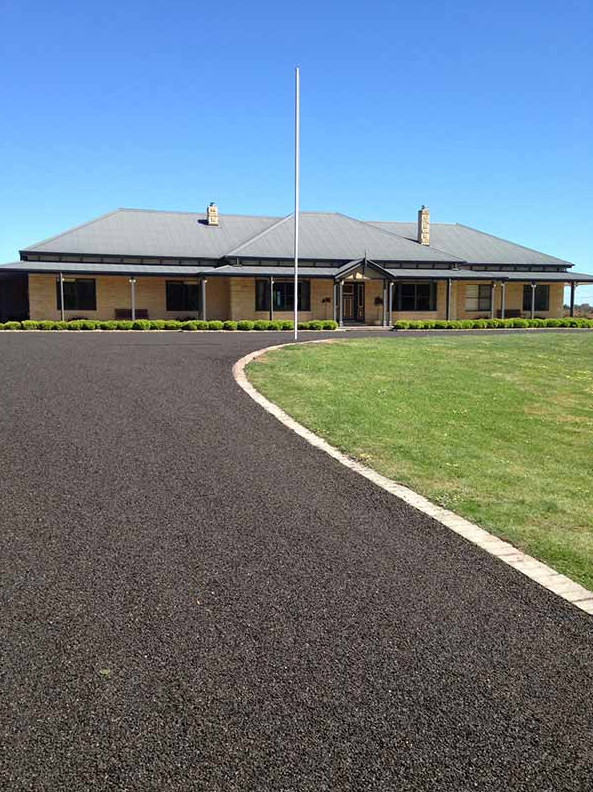
Hardstands provide a durable surface for vehicles, access areas and other high-traffic spaces around properties in Hurstbridge, VIC. However, even a well-constructed hardstand can develop potholes, cracks and surface damage over time. Understanding what causes these problems and how they can be properly repaired is important for maintaining a safe, stable and usable surface.
Ignoring early signs of damage can allow water and vehicle movement to make the problem worse. Professional assessment and suitable repair work can help restore the surface before more extensive deterioration occurs.
What Causes Potholes and Road Damage?
Potholes generally develop when the underlying surface becomes weakened and material is progressively displaced. Water is often a major contributing factor, particularly when it enters cracks or damaged areas and affects the layers beneath the surface.
Common causes include:
Water Infiltration
Water can enter through cracks, joints and damaged sections of a hardstand. When moisture reaches the underlying layers, it can weaken the supporting structure and contribute to surface movement.
Poor drainage can make this problem more noticeable, as water may remain around damaged areas rather than flowing away efficiently.
Heavy and Repeated Vehicle Use
Hardstands are designed to withstand vehicle traffic, but repeated loading can eventually contribute to surface deterioration, particularly where the underlying foundation is inadequate or has weakened.
Frequent turning, braking and concentrated vehicle loads can place additional stress on specific sections of the surface.
Poor Ground Preparation
A hardstand relies on a stable foundation beneath the finished surface. If the ground has not been adequately prepared, compacted or drained, settlement can occur.
This may result in uneven areas, cracking and depressions that can eventually develop into potholes.
Weather and General Deterioration
Exposure to changing weather conditions can gradually affect hardstand surfaces. Small cracks and weakened sections may expand over time, particularly when water enters the surface and reaches the supporting layers.
Signs That a Hardstand Needs Repair
Not all surface damage begins as a large pothole. Early warning signs can include small cracks, loose material, depressions, uneven sections and areas where water regularly collects.
A hardstand may require attention if you notice:
- Potholes becoming larger or deeper
- Cracks spreading across the surface
- Loose or breaking surface material
- Uneven areas developing under vehicle traffic
- Water pooling after rainfall
- Edges beginning to deteriorate
- Vehicles experiencing noticeable bumps when driving across the surface
Identifying these issues early can make it easier to determine the appropriate repair method.
Effective Hardstand Repair Solutions
The correct repair depends on the type and extent of the damage. A superficial defect may require a different solution from a pothole caused by a weakened foundation.
Pothole Repairs
Small potholes can sometimes be repaired by removing loose or damaged material and restoring the affected section with a suitable repair material. The damaged area needs to be properly prepared so that the repair bonds effectively and can withstand vehicle traffic.
Crack Repairs
Cracks should be assessed rather than simply covered. Where appropriate, damaged material can be removed and the affected area repaired to reduce the likelihood of water entering the underlying layers.
Resurfacing
Where a hardstand has widespread surface deterioration but the underlying structure remains suitable, resurfacing may provide a practical way to restore the surface.
Base and Drainage Repairs
If recurring potholes or settlement are linked to problems beneath the surface, simply filling the visible damage may only provide a temporary solution. Addressing the underlying base or drainage issue can be essential for achieving a more durable result.
Why Professional Hardstand Repairs Matter
Effective repair involves more than filling a hole. The condition of the surrounding surface, the underlying foundation, drainage and expected vehicle use should all be considered.
For properties in Hurstbridge, VIC, professional assessment can help identify why damage has developed and determine an appropriate repair approach. This can help prevent recurring problems and maintain a more reliable hardstand.
Preventing Future Potholes and Surface Damage
Regularly inspecting a hardstand can help identify deterioration before it becomes extensive. Keep an eye on cracks, drainage issues, loose material and areas that appear to be settling.
Promptly addressing minor defects can also help limit water infiltration and prevent further breakdown of the surface.
Conclusion
Potholes and road damage on hardstands can result from water infiltration, repeated vehicle use, inadequate ground preparation and general surface deterioration. The most effective repair depends on identifying the cause rather than simply treating the visible damage.
If your hardstand in Hurstbridge, VIC is showing potholes, cracking, settlement or other signs of deterioration, Hurstbridge Road Tech can assess the surface and discuss suitable repair solutions. Contact us to arrange a professional hardstand service tailored to your requirements.
Call us on: 03 9068 7895
Click here to find out more about Hurstbridge Road Tech
Click here to complete our contact form and see how we can help with your driveways.